
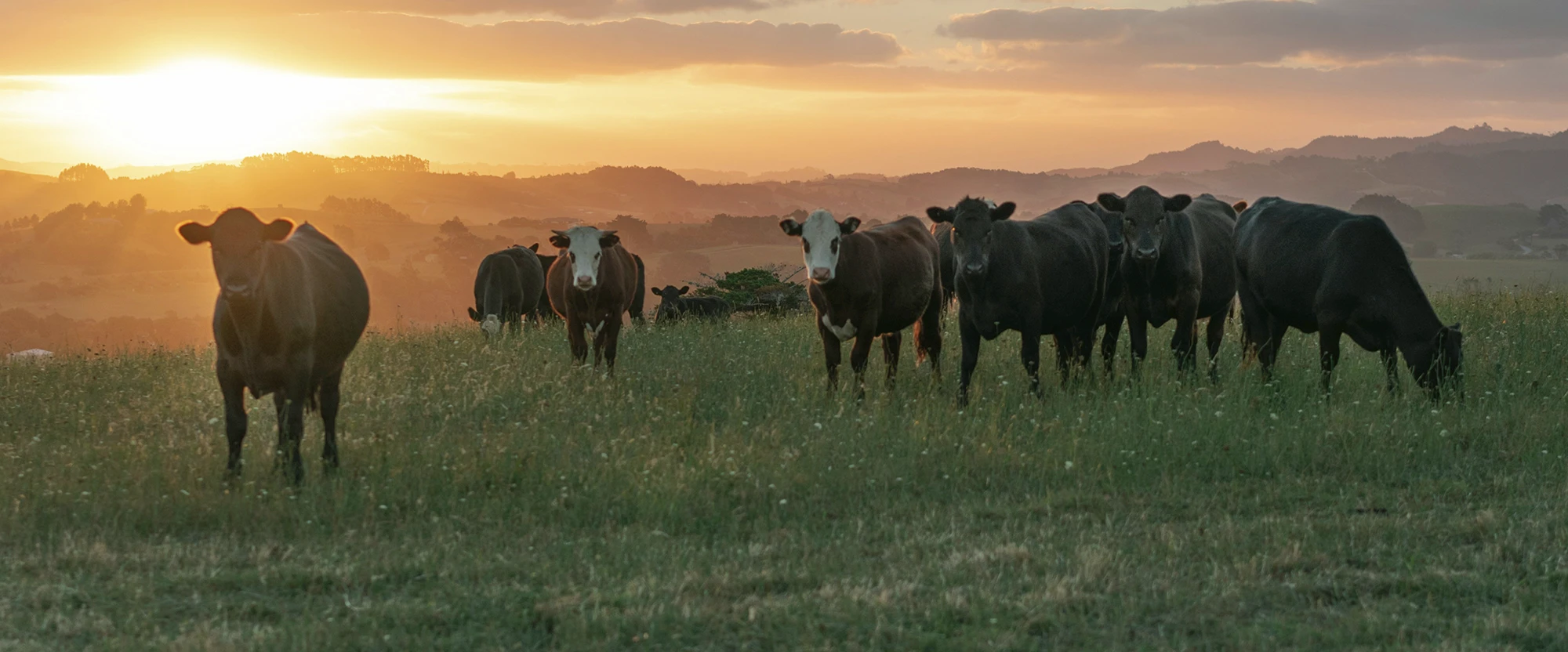
Question: How did Little Fire Digital, a company filthy with vegetarians, end up creating a website for The London Wagyu Company?
Answer: Because we said we would: because we consider ourselves people of our word.
There are better jokes …
… but, someone asked if we can help out and, in all honesty, we didn’t put two and two together before we had said “yes”.
Trust us, we agonised a bit, but we’re not vegans and no vet will get those cows back. There are no right answers here (or not for any but the most pious, the most abstemious) and, besides, we had said “yes”.
Not the usual starting point.
But then, it’s not about us.
Wagyu Beef … Where to Start?
Anyway, most projects don’t begin with personal preference. They begin with a brief, a product and a group of people you need to understand properly.
In this case, that meant getting to grips with what actually matters when a customer chooses wagyu.
And, naturally, we know nothing (or next to nothing) about wagyu. There’s something in You Only Live Twice, Kobe, cows drinking beer, massaging, spangled meat but that is all …
Like many of the best clients, the guys at London Wagyu are laid back but particular, relaxed but exacting. They had attempted a DIY build in SquareSpace and got stuck.
We had the barest bones of content to work with and build a site … barely enough for a broth.
Selling A Premium Product (and Other Challenges)
It’s not just the product itself, but the signals around it. Where it comes from. How it’s handled. Why it’s worth paying for in the first place.
And these guys are good, they were about to be featured in The Times. Publicity like that doesn’t come around every day and so they were eager to make the most of the publicity.
The London Wagyu Company is a small outfit, they are exclusive, they’re not looking for supermarket contracts, just a list of individuals and restaurants to whom they could distribute their very best wares.
With premium products, it’s easy to overdo it. To add layers. To explain too much. To try and justify the premium.
Usually, gilding the lily gets in the way.
This job was the opposite.
After all, we barely had enough for a broth …
Designing for the Customer
This was not a big job, there wasn’t the budget for endless research and, being particular, the client wanted to create or provide all the content.
The clients are passionately person to person, they abhor AI content and wanted none of it on their site. The same went for stock imagery. They are also insanely busy … so it was very hard to ‘over build’.
Fortunately, wagyu is created by craftspeople who are passionate about their product, beautiful photography was not in short supply.
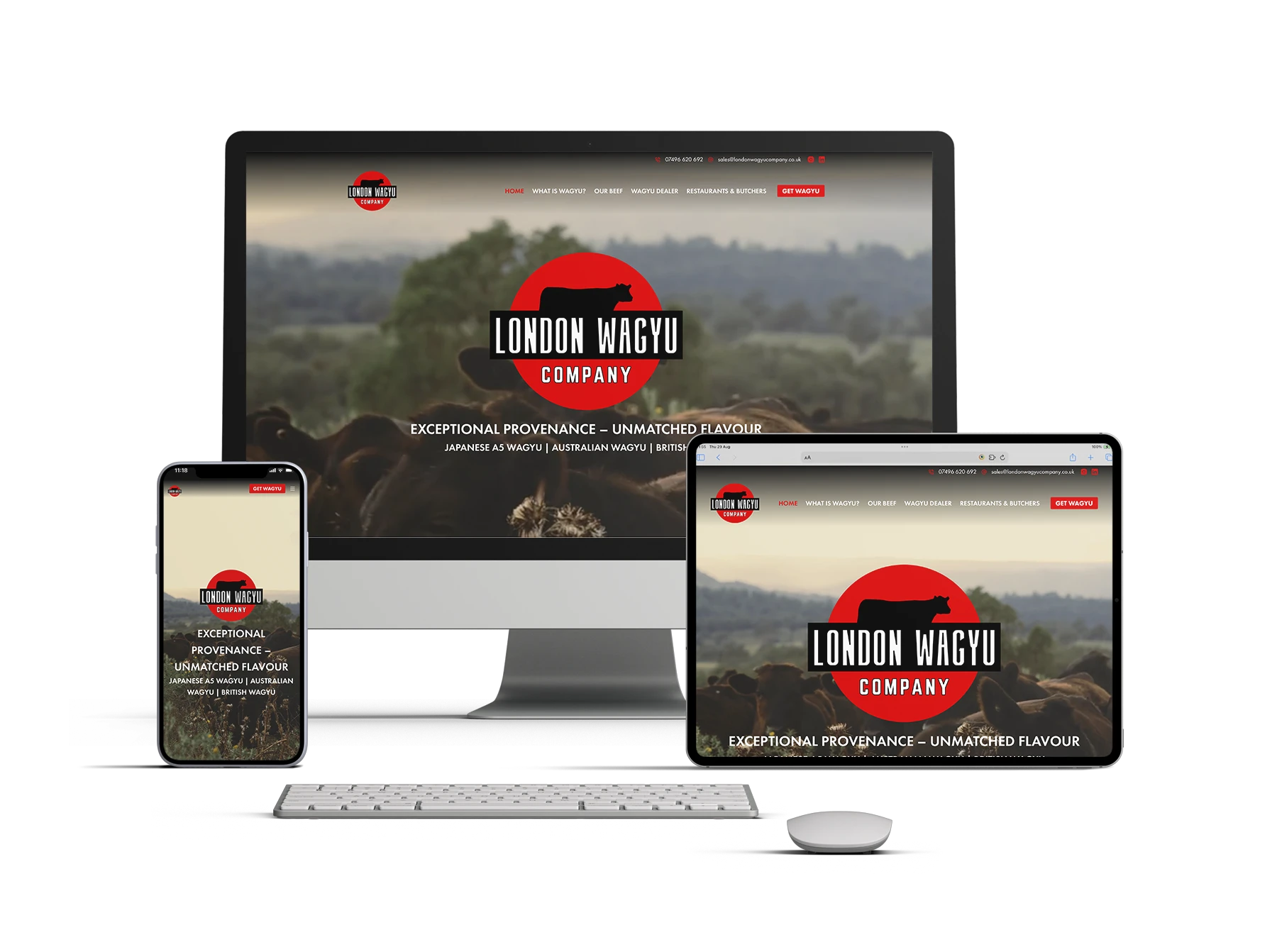
When content is sparse, there is a temptation to ‘colour in’, to add more visual embellishment than is truly required – but the client had a very stripped down aesthetic, inspired by Japanese colours and designs: the website is better for it.
The aesthetic demanded space and the content developed commanded it.
Technical Considerations
As is often the way, our customer needed help with some of the technicalities, any website with a form is likely to relay email from the website effectively. As with any form that is collecting user data, we needed to stitch up a suitable privacy policy and a suitable mail-marketing solution. Keeping it simple (and free until needed), we used MailPoet.
… and of course, a captcha to keep out the spammers.
Designing a premium ecommerce website isn’t about adding more. It’s about removing friction, reinforcing trust and letting the product do the work. That usually comes down to clarity, restraint, and understanding what the customer is actually looking for.
The Real Job: Understanding the Customer
It’s a fine line, working out where your expertise needs to stop and the client’s needs, tastes and knowledge need to be honoured. In the end, the size of the project worked to our advantage.
Ultimately the site needed a light touch; and it was a pleasure to deliver just that – the mailing list is looking chubby.
An Unusual Project, but a Familiar Principle
We’ll never get through much wagyu ourselves, and it may not surprise you that, on the strength of this job, we are not out touting for work with butchers and abattoirs – we know where our ethical comfort zone is.
But, if we commit to something, we commit to doing our best, to understanding what matters to the people buying your product and making sure that nothing gets in the way.
That’s just doing the work properly.
Feeling Stuck?
If you’re looking for a team who really will adapt what they do to get you what you need, you should consider giving Little Fire a holler.
If you just want to lick your lips and drool over some premium wagyu, you should check out the site.
Talk is free. Find out how we can help you.