Dear John,
We thought you were lost and, for a long time, you were – one more tragedy of your time. But here you were, all the while – a stone’s throw from the streets of my childhood.
The most important thing I have to tell you is that it turned out well.
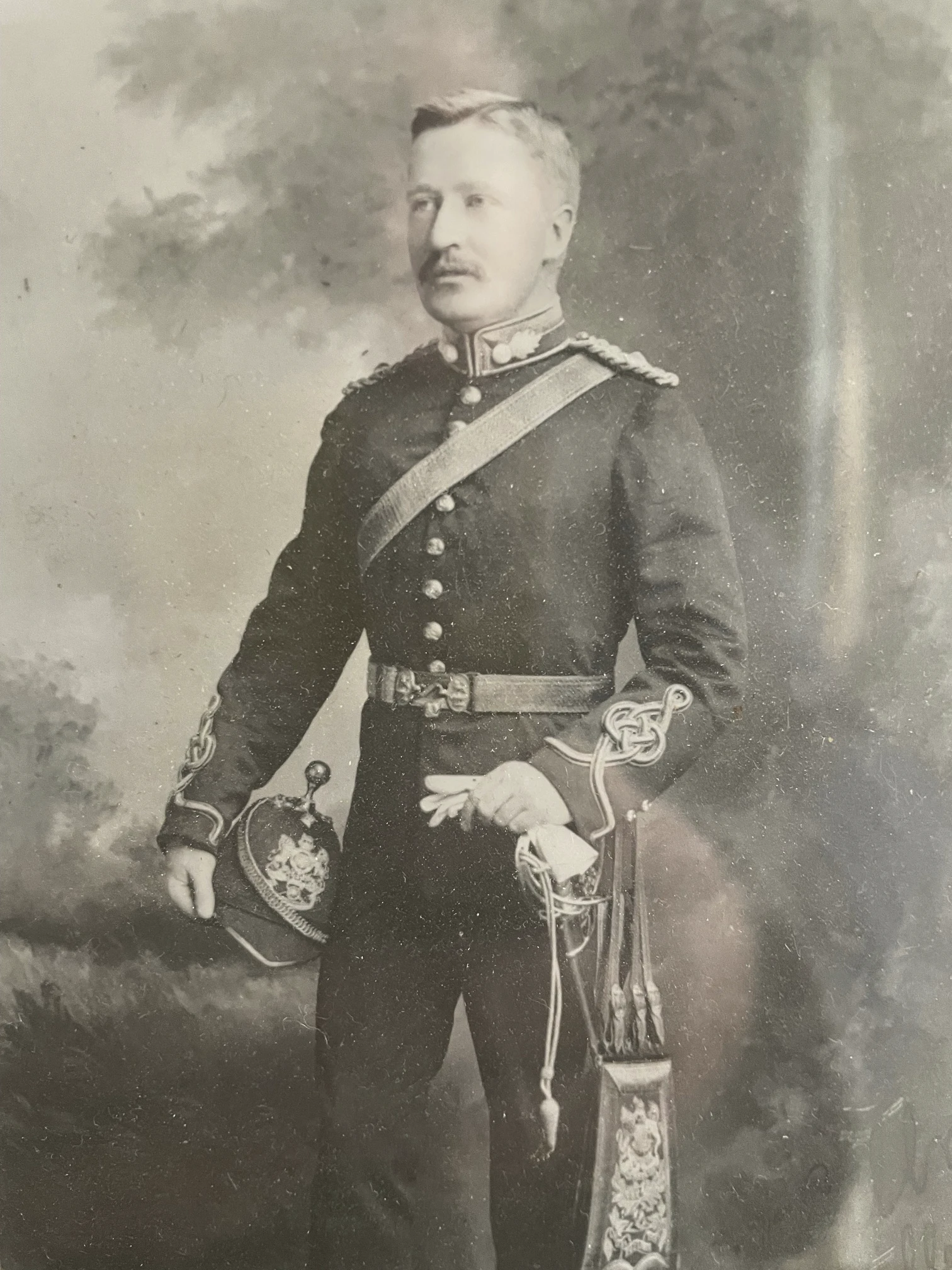
Your wife lived long in the care of your eldest son. I first learned your name, John FitzGibbon, as we played the attic of his rambling home, scrambling over crates of your service regalia.
When the world fell again to war, your son patched, repaired and saved countless men. He bore witness to the worst of it, the very worst. Yet the horror did not diminish him. In the decades that followed, he restored the faces and dignity of the young men burned and disfigured by the Luftwaffe.
He lived out his life happily with a wife he adored: we still speak his name with love.
If ever a man should have had the chance to be proud of his son, it was you.
And me? I’m three generations on. There are a lot of us. I’m amongst the least of them. But on the walls of my home, we have pictures of seven generations – from your grandfather, to you, to my own fine young men. It turned out well.
I have your father’s album of drawings – they are safe and cherished.
The strangest thing, though, is that unbeknownst to us, the girl I married grew up in the shadow of your childhood home: on the same hill, on the same streets. Your father’s portrait, which now hangs on our wall, hung within feet of her schoolroom. On the banks of the Lee, our children attended midnight mass in your church, where doubtless you fidgeted and squirmed a century before. I still marvel at the coincidence.
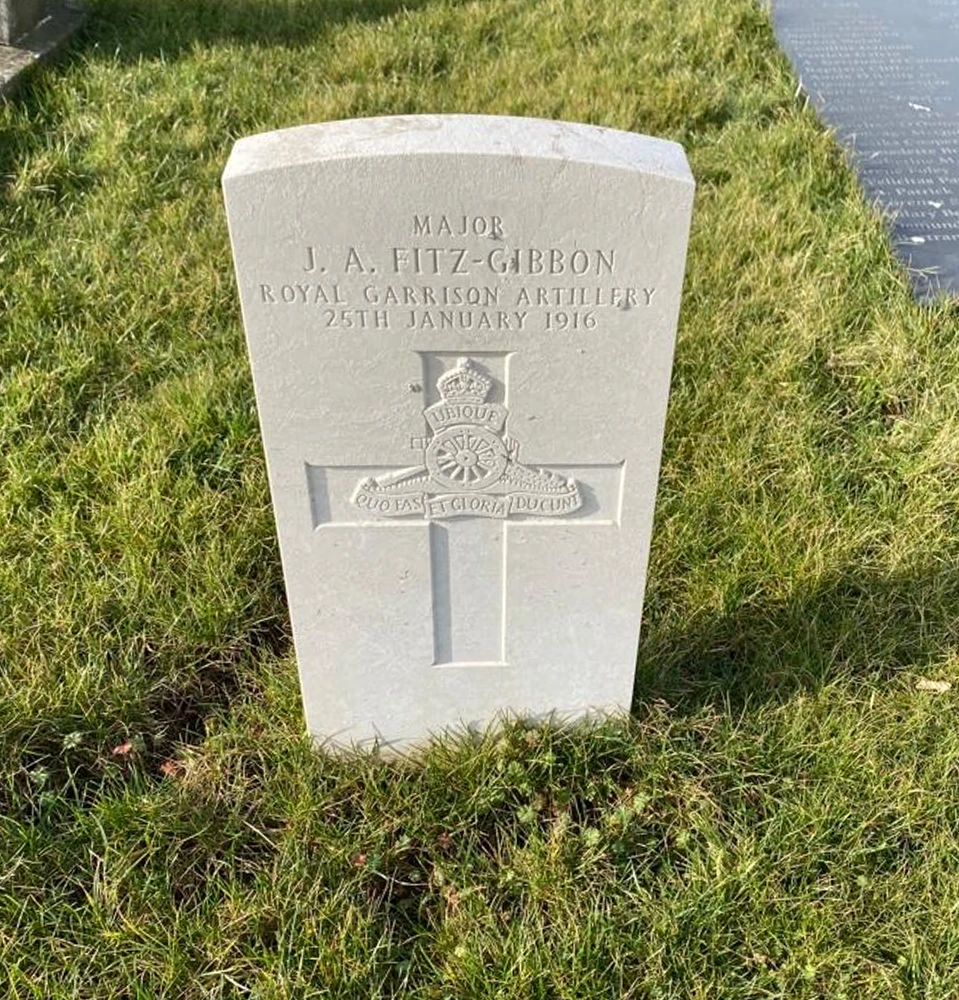
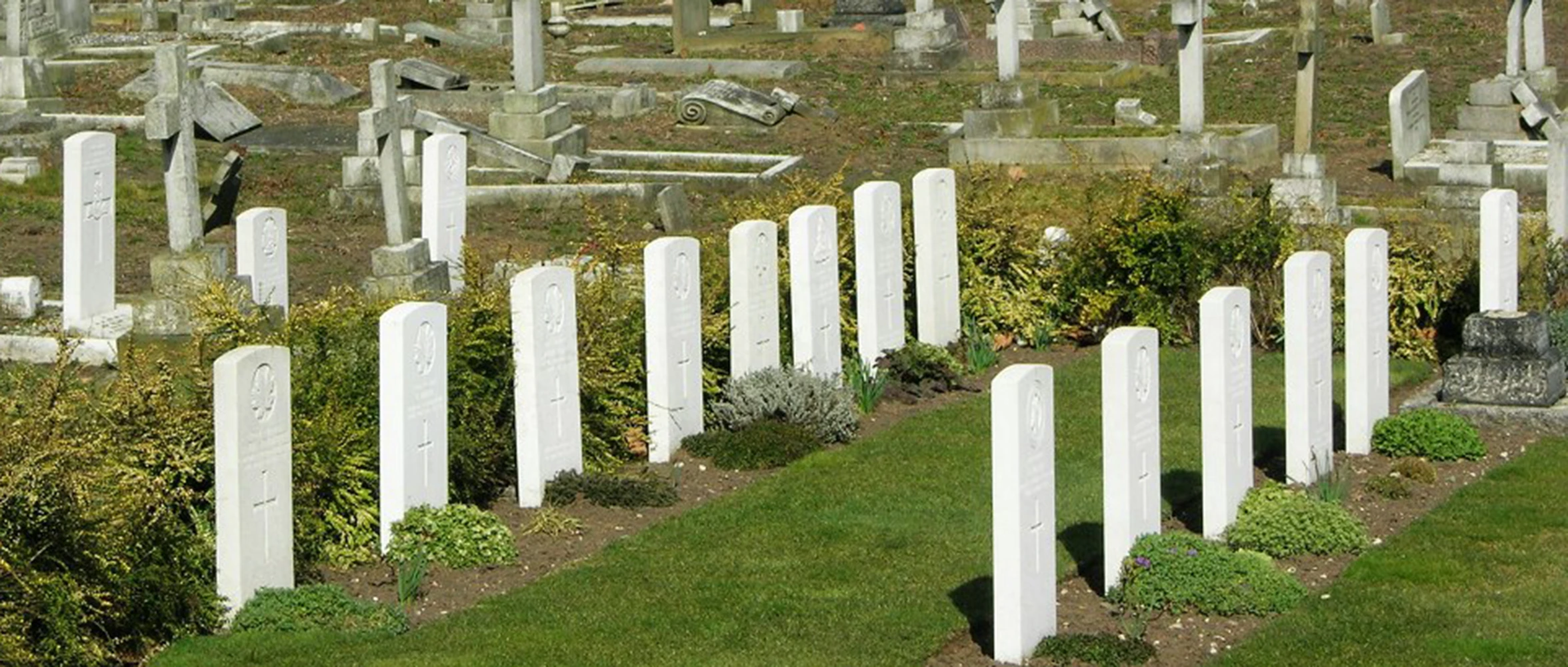
My belovéd saw my son’s face in your younger son’s photograph and wouldn’t let the echo pass. It was she who unravelled the history and brought your Irish forefathers back to the light. It was she who hunted through records to find this small patch of London sand where you are laid – far younger then than I am now. It was she who found you.
You were lost, John, but you were never forgotten.
Rest easy.
Simon